Western Tokyo
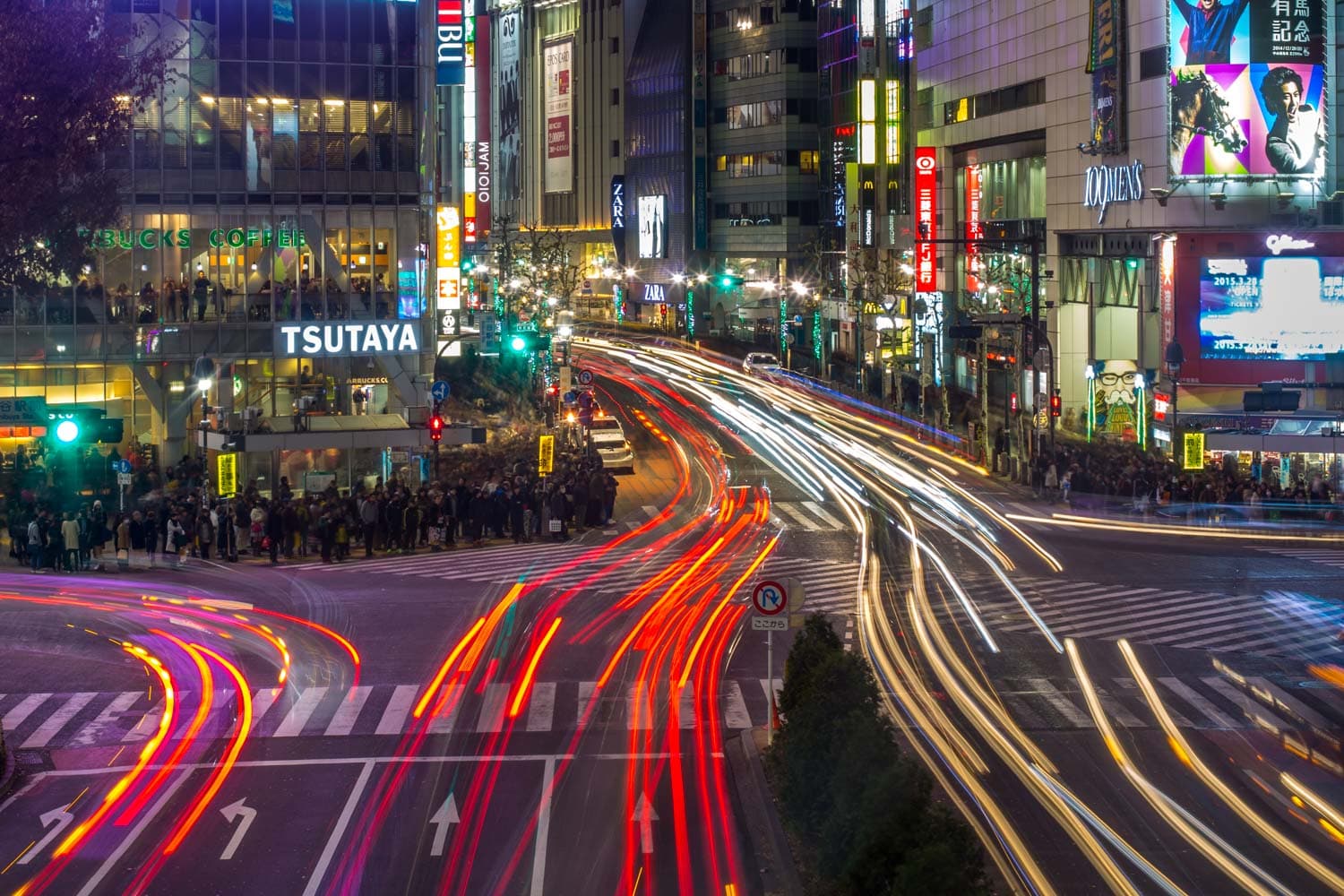
Western Tokyo—spanning the vibrant wards of Shinjuku, Shibuya, Nakano, Suginami, and Nerima—acts as the high-functioning engine of the capital’s modern identity. This region is defined by a high-fidelity contrast between the neon-lit commercial towers of the sub-centers and the gentle, leafy residential lanes that sprawl toward the suburban horizon. In Shinjuku and Shibuya, the pulse of the city reaches its peak, where technical ingenuity meets global fashion and the world’s busiest railway hubs. These districts bridge the gap between high-energy transit and a sophisticated nightlife scene, serving as a high-value stage for Tokyo’s relentless urban evolution and international cosmopolitanism.
Moving westward along the central transit arteries, Nakano and Suginami function as the resolute guardians of Tokyo’s creative subculture. These wards provide a necessary architectural lull through their low-rise backstreets, independent theaters, and a high-fidelity collection of vintage boutiques. Here, the vibe is authentically bohemian, prioritizing a “slow-life” philosophy that rewards those who explore the labyrinthine alleys for hidden music bars and artisan cafes. Completing this western arc is Nerima, a ward that excels in balancing urban density with its roots in greenery and agriculture. As a historical birthplace of Japanese animation, Nerima showcases technical ingenuity in its suburban planning, offering expansive green lungs and a grounded, family-oriented atmosphere. Together, these five wards form a sophisticated ecosystem that rewards explorers with everything from the technical marvels of a skyscraper forest to the quiet, artisan-led sanctuaries that define the true character of the modern metropolis.


